What does masonry restoration include?
Masonry restoration involves repairing and preserving damaged brick, stone, and mortar on older buildings. Common masonry restoration services include brick replacement, repointing mortar joints, chimney repair, stone restoration, and rebuilding deteriorated brick façades. In cities like Toronto, masonry restoration is especially important for maintaining Victorian and heritage brick buildings.
How do I know if my brick needs repair?
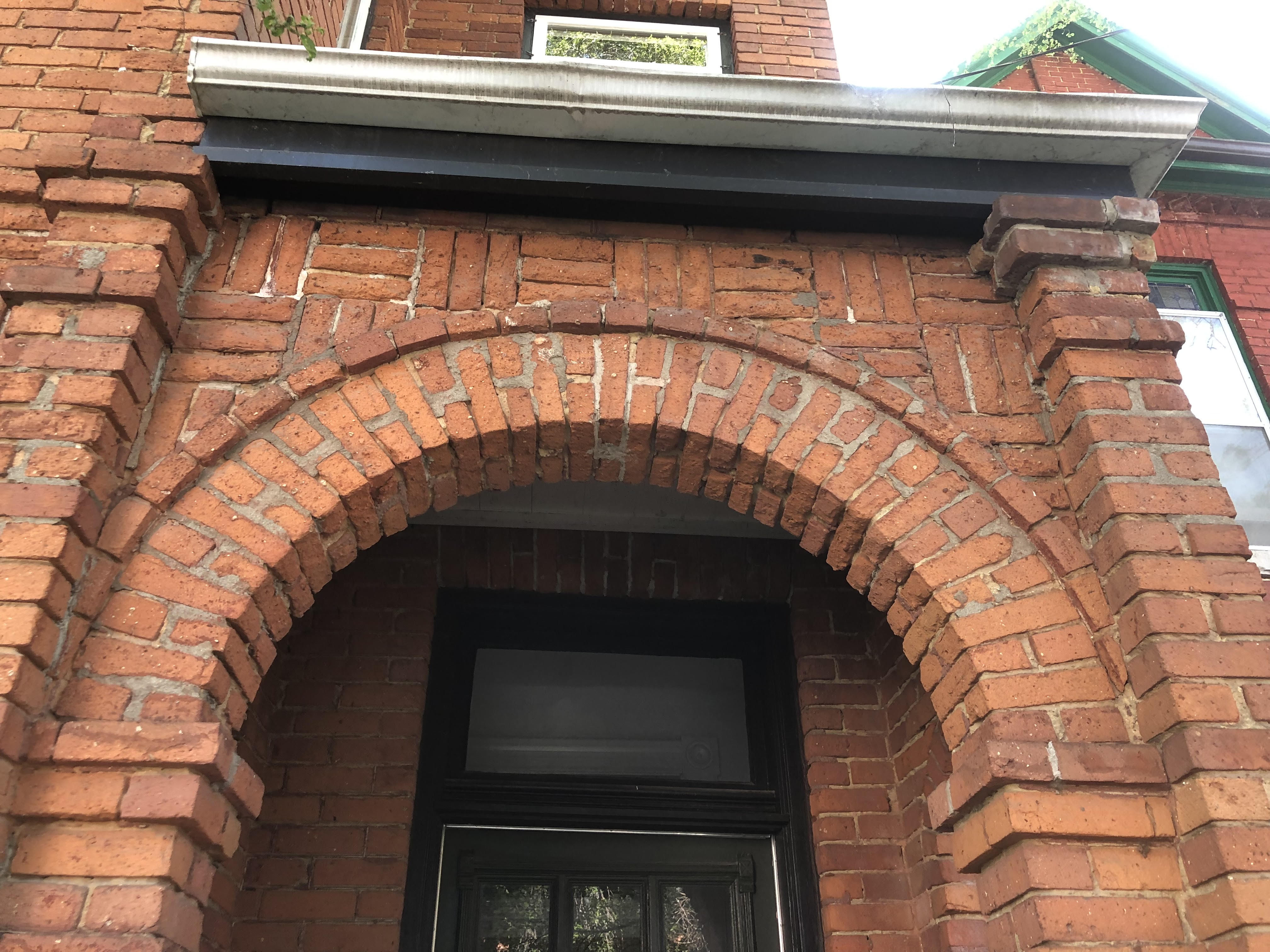
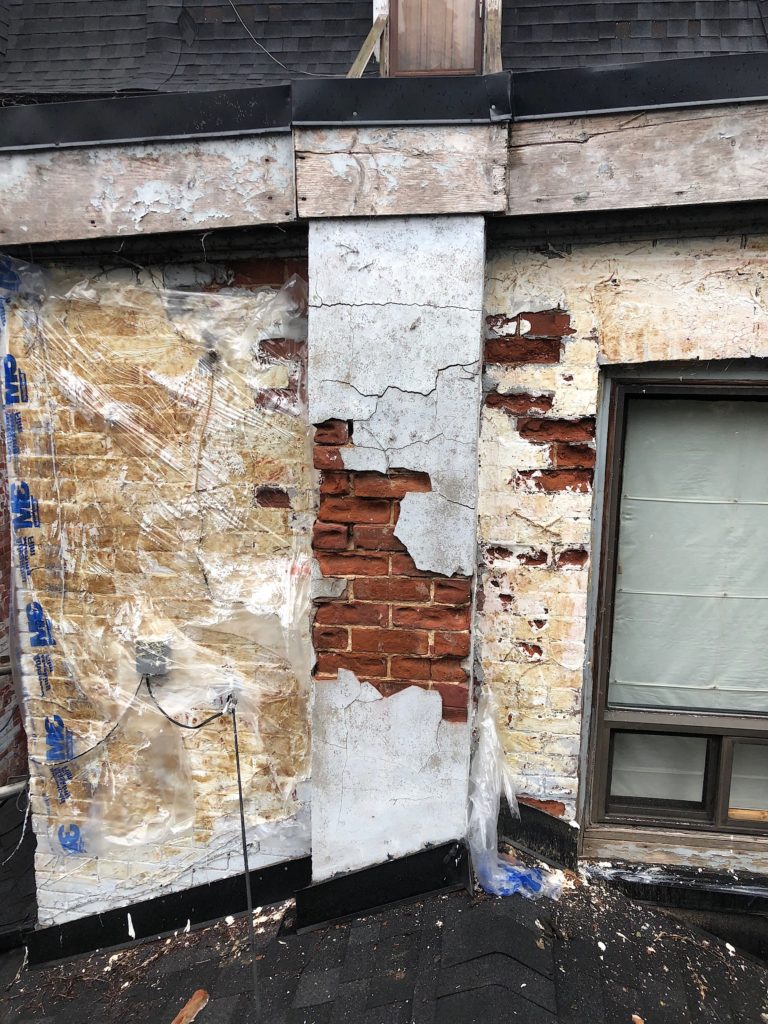
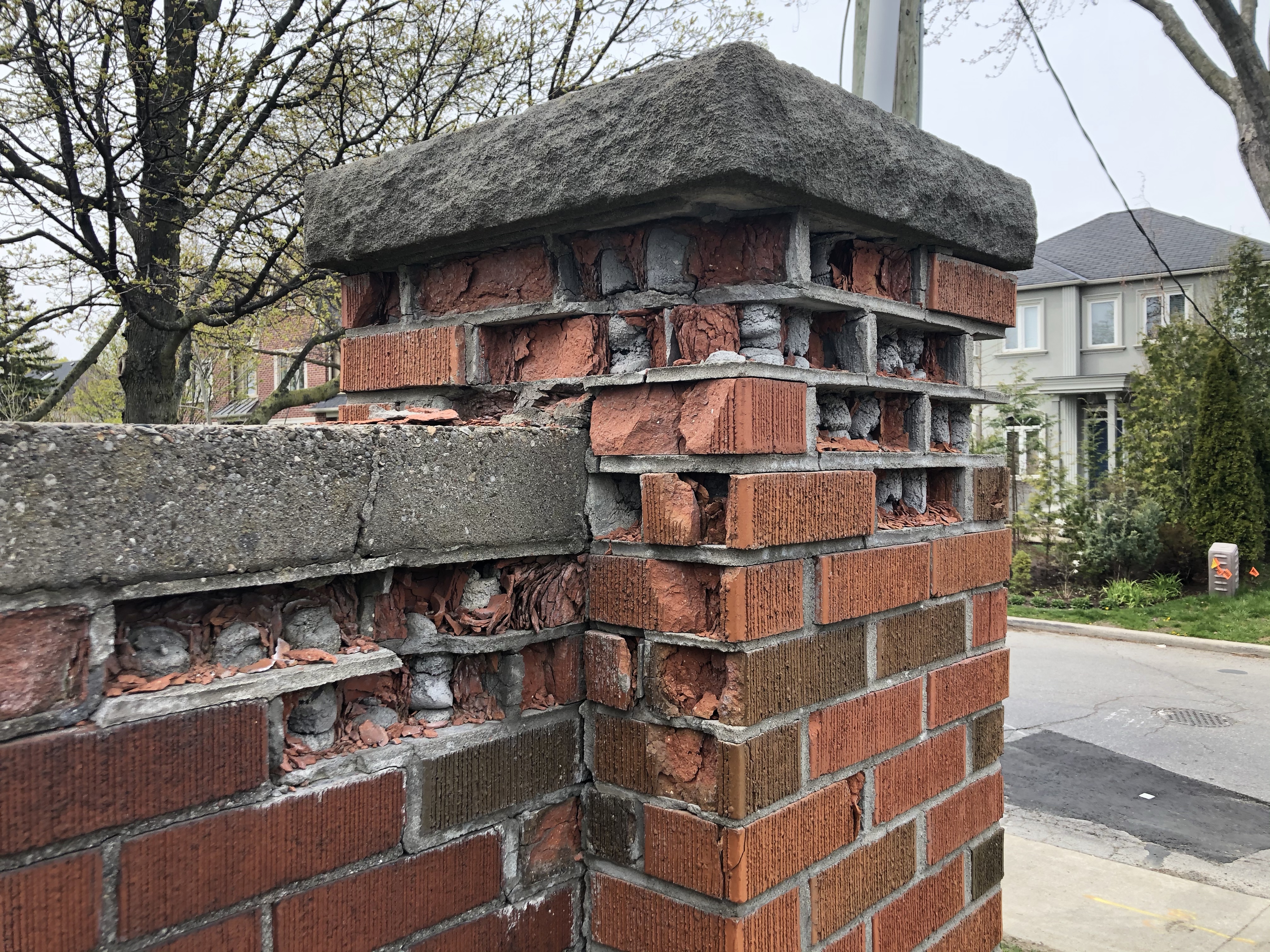
Signs that your brickwork may need repair include crumbling mortar, loose bricks, flaking brick faces, water penetration, and pieces of brick falling from the wall. Many older Toronto homes experience brick deterioration after years of exposure to weather, moisture, and improper repairs such as sandblasting or hard cement mortar.
What is brick repointing?
Brick repointing is the process of removing deteriorated mortar from between bricks and replacing it with new mortar. Proper repointing restores the strength of the wall, prevents water damage, and extends the life of the brickwork. For heritage buildings, lime mortar is typically used because it allows the brick to breathe and move naturally.
How much does masonry restoration cost in Toronto?
The cost of masonry restoration in Toronto depends on the size of the project, the condition of the brickwork, accessibility, and the level of repair required. Small repointing jobs may cost a few thousand dollars, while full brick façade rebuilds or major restoration projects can cost significantly more. A professional site assessment is the best way to determine the cost.
Can damaged bricks be repaired or do they need to be replaced?
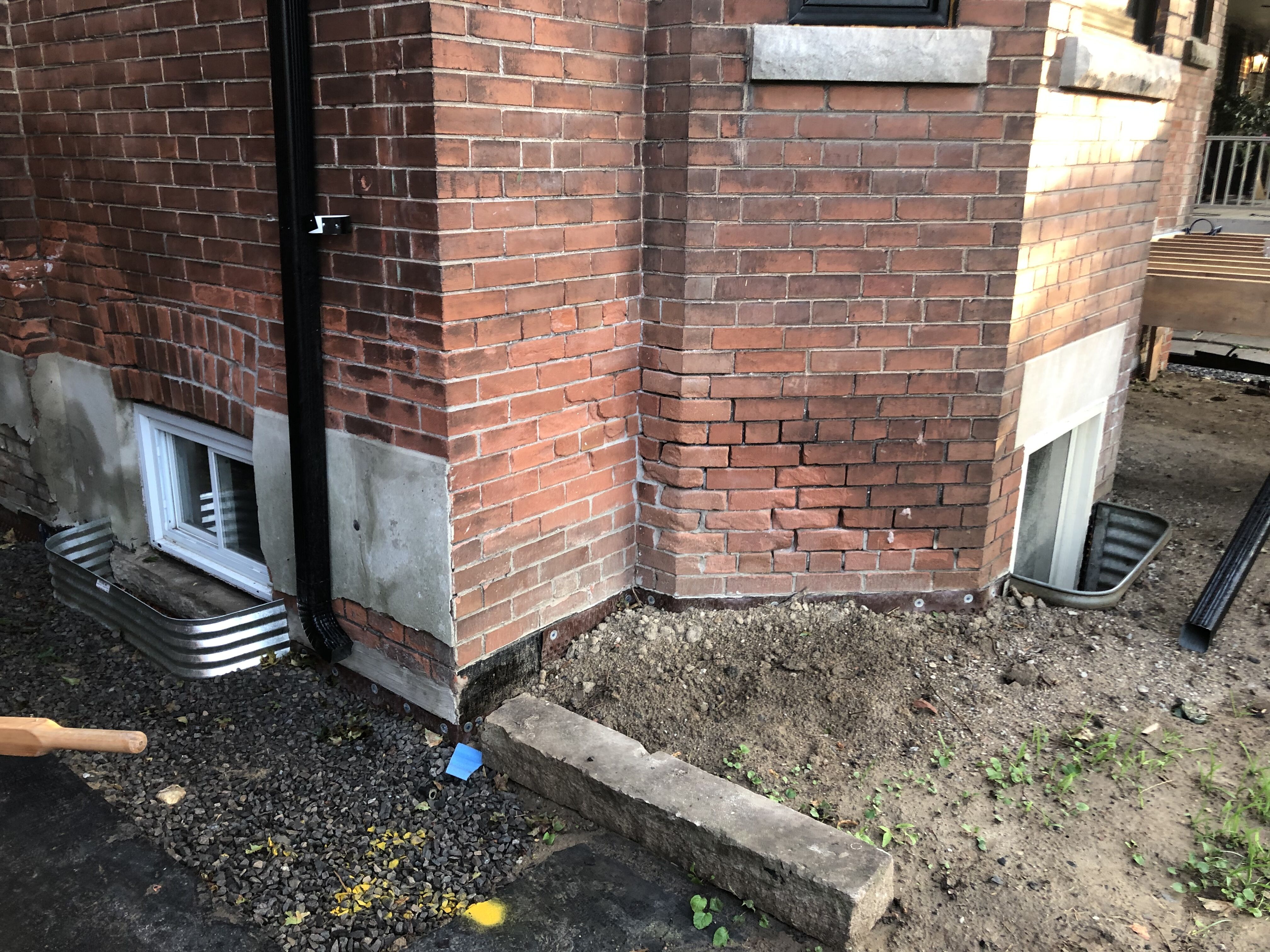
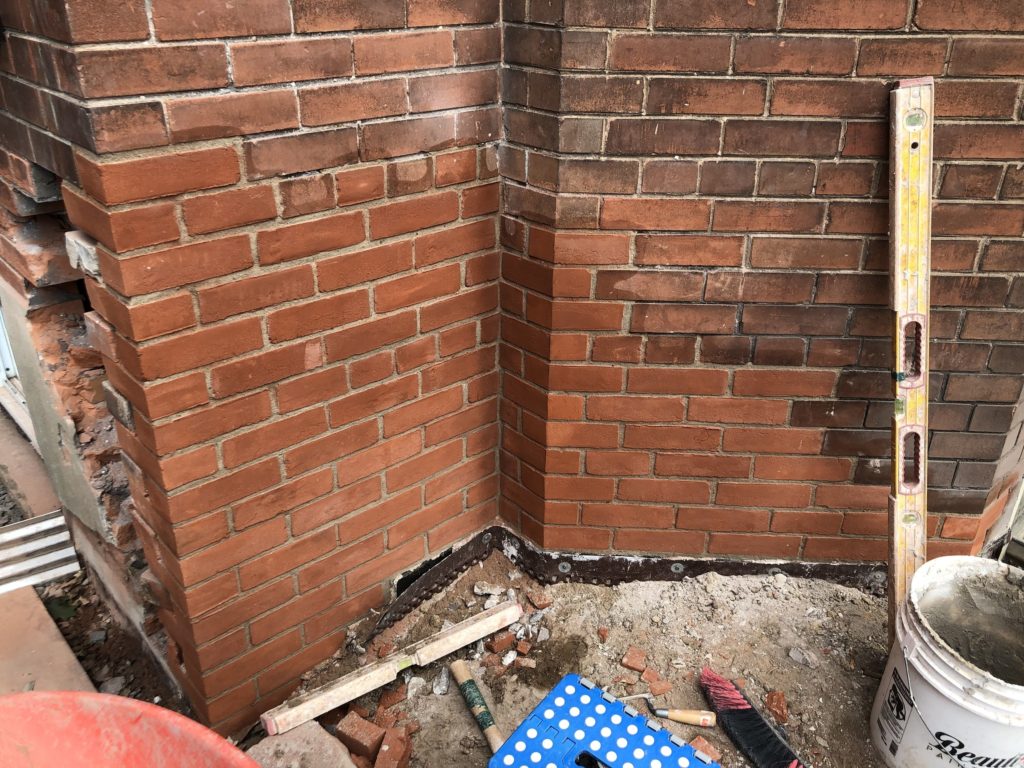
In Toronto it is best to replace the brick when it shows signs of deterioration. Repairs done using mortars to hide the damage will fail in time. When replacing bricks on heritage buildings, masons often source or custom cut bricks that match the original size, colour, and texture to maintain the historic appearance of the structure.
Why is sandblasting brick a problem?
Sandblasting removes the hard outer face of brick that protects it from weather and moisture. Once this protective layer is gone, the brick becomes porous and begins to deteriorate much faster. Many older Toronto homes that were sandblasted decades ago now require extensive masonry restoration or brick replacement.
What is lime mortar and why is it used in restoration?
Lime mortar is a traditional mortar made from lime, sand, and water. It is softer and more flexible than modern cement mortar, allowing historic brickwork to expand and contract without cracking. Lime mortar is commonly used in Victorian and heritage masonry restoration projects.
How long does masonry restoration last?
When completed properly, masonry restoration can last several decades or even more than a century. Using the correct materials, proper mortar, and skilled craftsmanship is essential to ensure the longevity of the brickwork.
Can you match old brick on historic homes?
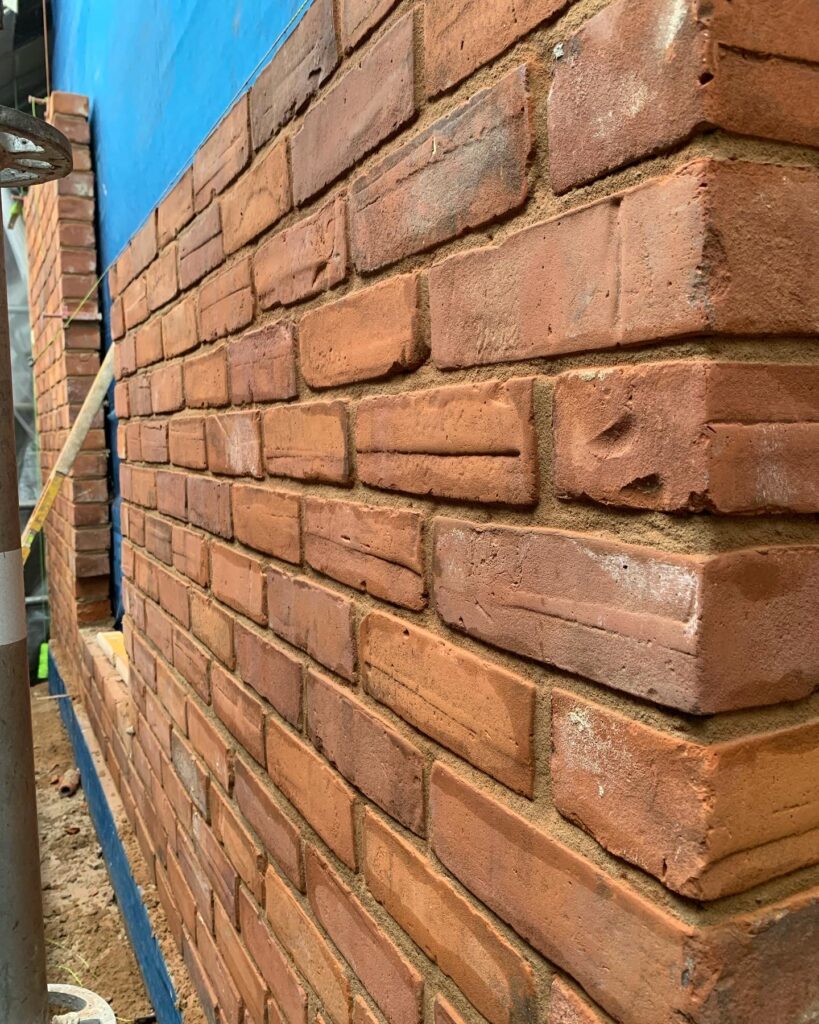
Yes. Skilled masonry restoration contractors can often match historic brick using reclaimed brick, heritage-style molded brick, or custom-cut brick. Matching the colour, size, and texture of the original brick is important to maintain the architectural character of older buildings.
Why should I hire a masonry restoration specialist?
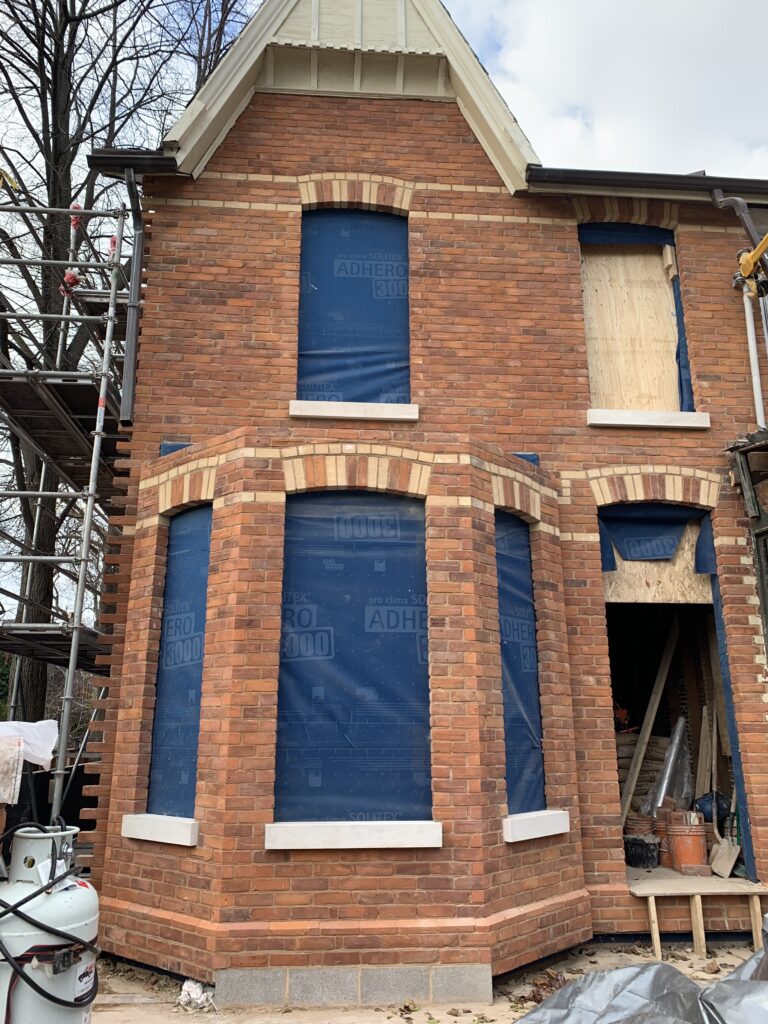
Masonry restoration requires specialized knowledge of historic building materials and construction techniques. An experienced masonry contractor understands how to properly repair brickwork, match original materials, and prevent further deterioration while preserving the character of the building.